 Back
Back
Leading and Sustaining Change: Tools for Managers in Transformational Environments
 Serene Sim (Ms)
 7 hours
*The fee is inclusive of prevailing GST and subject to changes.

Course Dates
For groups of at least 15 people, customised run dates are available, contact us for more details.
No Schedules Available.
Notice:
What Is This Session About?
In today’s fast-paced business environment, the ability to adapt and lead through change has become an essential skill for middle managers. This one-day course equips middle managers with the mindset, tools, and frameworks to lead confidently in an era of continuous transformation. This course provides practical strategies to drive sustainable results, manage resistance, and foster team alignment. Using change management models and the Learning Organisation concepts of Peter Senge, participants will learn to engage teams, build resilience, and create a positive impact within their organisations. Participants will have the opportunity to bring a real-world change project from their organisation or select one from a list curated by the facilitator. These projects will serve as hands-on practice fields where participants can apply the course’s tools, frameworks, and strategies.
Key Topics
-
Building a Common Language - The goal is to establish the importance of middle managers in driving change and setting the stage for active engagement.
-
Key Principles of Change Management and Framework - Research on change management models and frameworks involves studying and comparing various change models like Lewin’s Change Model, McKinsey’s 7S Model, P-D-C-A, Appreciative Inquiry 4D, Kotter’s 8-steps, ADKAR, and Whole-System Architecture. The key takeaway is that there is no one-size-fits-all approach; the quality of thinking and depth of knowledge will guide the specific steps an organisation takes. The facilitator discusses the importance of looking at prior change models and how they have contributed to an integrated change model to manage the human aspects of implementing change. The goal is to offer practical tools for building and managing change initiatives with clear action steps. Additionally, middle managers will gain actionable insights into effectively managing change while using Appreciative Inquiry to encourage collaboration, creativity, and momentum in evolving business environments.
-
Learning Organisation (LO) and Change - Introduction to Peter Senge’s concepts of Personal Mastery; Building Shared Vision and Team Learning. The goal is to focus on human-centered approaches, enabling managers to use LO principles to foster a collective team commitment to change.
-
Personal mastery: Who I am determines what I do and how I lead. Building shared vision: What do we care about creating together?
-
Mental Model: What assumptions or beliefs do I hold about this situation, and how might they influence my perspectives?
-
Team Learning – How can we create a culture of psychological safety within our team to encourage open communication and idea sharing?
-
System thinking – What are the interdependencies and feedback loops that contribute to the current state of this system?
-
Proven Best Practices for Managing Change - The goals are to:
-
Personalise resistance management by considering individual responses to change, identifying and addressing resistance within teams, making changes stick, and ensuring psychological safety
-
Build relational capital and foster better stakeholder relationships in order to facilitate smoother and more impactful change initiatives
-
Craft a clear, persuasive story to gain stakeholder buy-in
-
Reflection & Application - Planning for Your Change Initiative – The goal is to ensure participants leave with a concrete plan to apply learning immediately, enhancing long-term retention and applicability.
Take the next step in your leadership journey—empower your team, embrace change, and drive success in an ever-evolving business landscape.
What Does The Session Cover?
- Develop a change management strategy through the implementation of a change framework to align leadership objectives with the needs of stakeholders
- Identify and mitigate resistance by applying effective strategies and techniques to counteract opposition in change projects
- Incorporate principles from Peter Senge’s Learning Organisation model to foster a collective vision, enhance team learning, showcase a grasp of essential LO concepts and principles
^ Assessment: Formative Assessment(s) (Assignments/Presentations/Practical Performances)
^ Completion: Upon 100% attendance and meeting Assessment requirement, learners will receive a Certificate of Participation from IAL (& other partners where applicable)
Who Is It Suitable For?
This course is ideal for professionals who play a critical role in driving or supporting organisational change. It is designed to equip participants with practical strategies to manage the human aspects of change. Key roles that will benefit include:
- Project Managers: Responsible for planning and executing projects, they will learn how to integrate change management principles into project plans, ensuring that both technical and people-side needs are met for success.
- Change Managers: Tasked with guiding organisational change, they will gain insights into overcoming resistance, enhancing communication, and ensuring stakeholder alignment through a structured change management framework. Individual contributors who anticipate having direct reports in the next 6 months and who are willing to lead change effectively.
- Training and Adult Educators (AEs): Focused on developing the mindset and skillset needed for middle management to lead change, they will learn how to build resilience and adaptability in learners, preparing them for leadership during periods of change.
- Mid-Level Managers: These managers will be equipped with tools to manage larger, transformational changes, guiding their teams from the current to a future state using a structured process and enhancing team learning.
- Organisational Leaders: As decision-makers responsible for setting the strategic direction of the organisation, they will learn how to align leadership goals with change initiatives, ensuring commitment across all levels of the organisation.
- Human Resources (HR) Professionals: Acting as change enablers, HR professionals will learn strategies for managing the people side of change, including employee engagement, communication, and transition plans to minimise disruption and ensure smooth transitions.
- IT and Digital Transformational Managers: Leading technology-driven initiatives, they will gain skills to manage the people side of change effectively during digital
Course Funding and Policies
About the Speaker
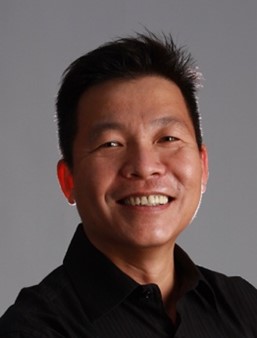
Henry Koh (Mr)
Associate Adult Educator (Institute for Adult Learning)
Henry has an extensive and rich working experience in both the private and public sectors. He has held positions that demanded strategic leadership, management, and operational capabilities. He has facilitated leadership and team programmes and coached many executives and teams at different management levels for private and public organisations. He has been involved in pioneering efforts to design, formulate, and customise a series of training and development programmes for executives, managers, and directors to strengthen leadership effectiveness in business development and performance, as well as team leadership and capability development for future projects.